

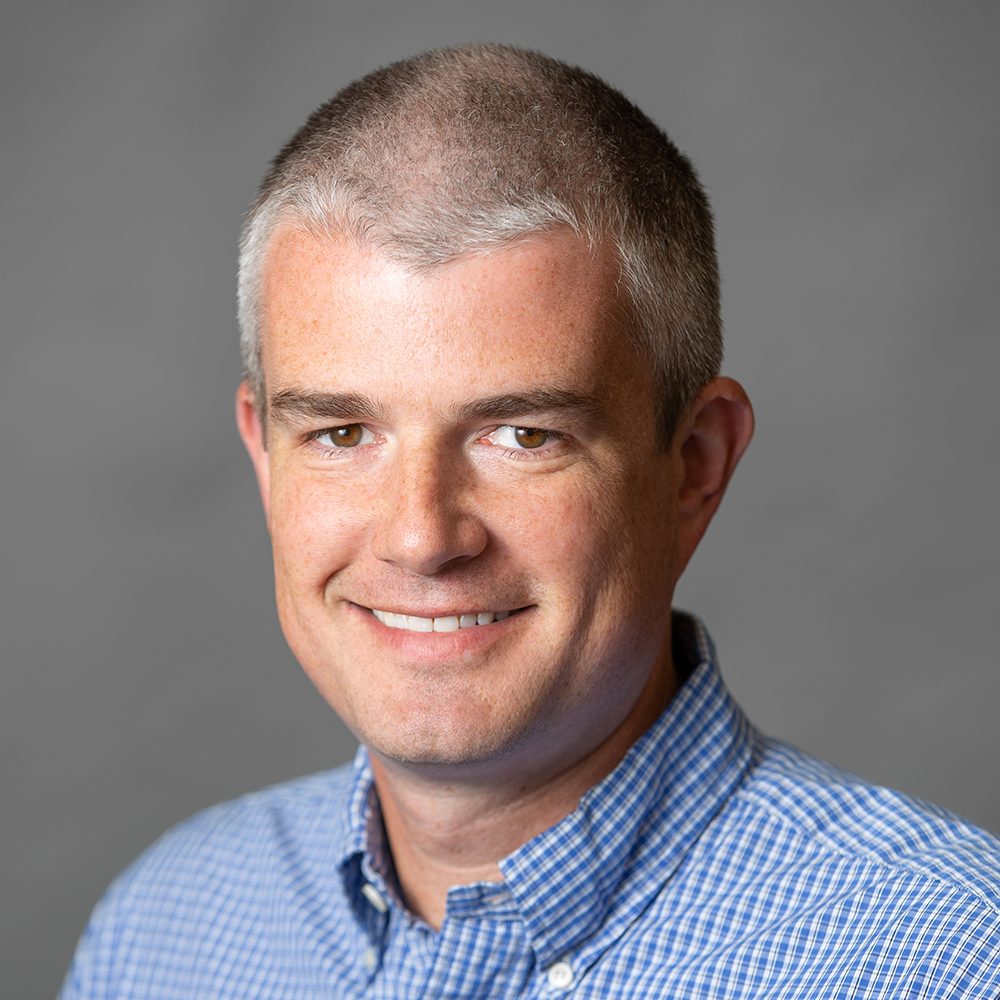

The HudsonAlpha Institute for Biotechnology announced that Sam Jackson, PhD, has joined its team as the Director of the Greening the Southeast (GSE) project, a National Science Foundation (NSF) Engines development award.
Read More

If you’re wondering who holds the title of domestic cat royalty, look...
Read More
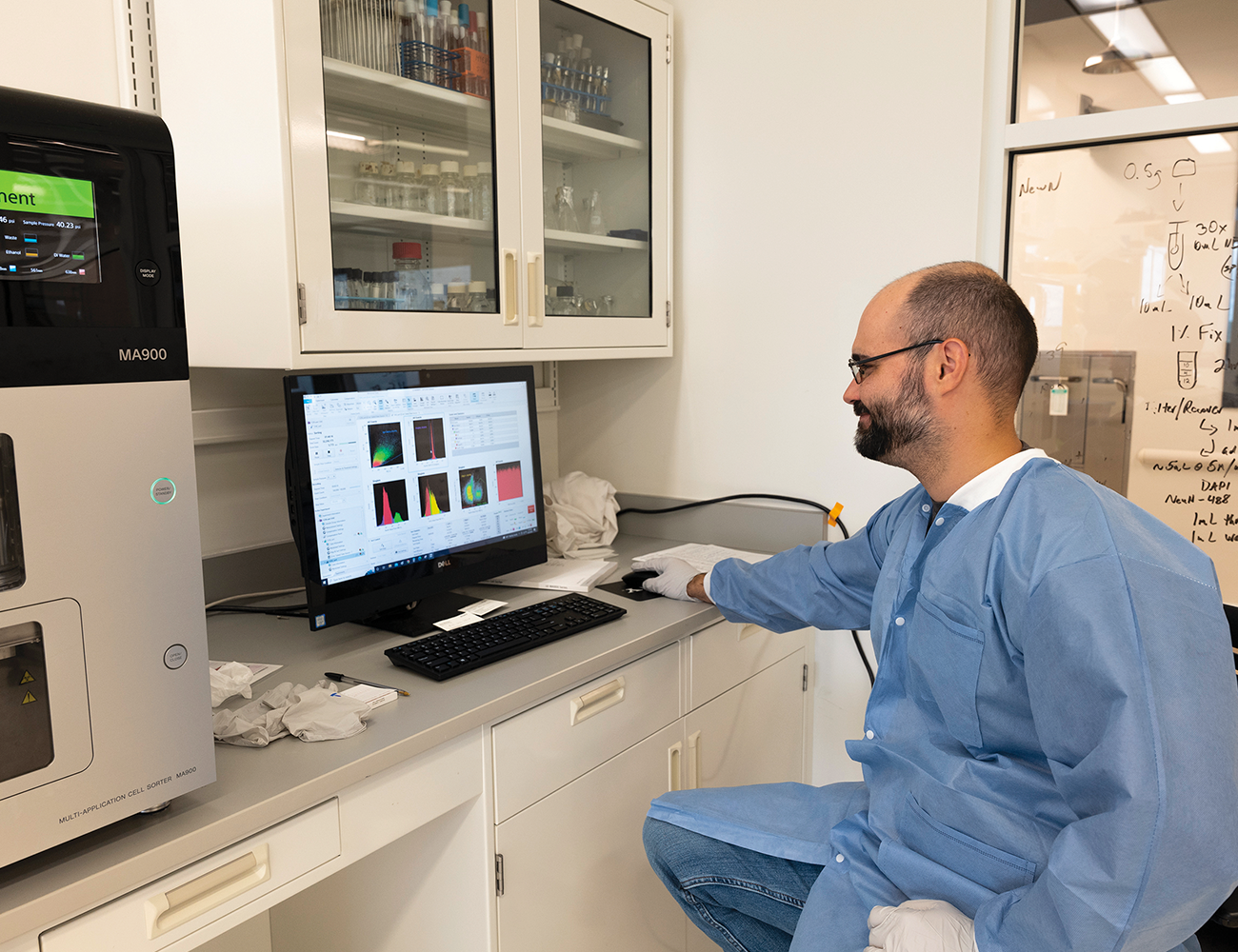
The mission of Faculty Investigator Dr. Josh Clevenger’s Genome Innovation Lab is...
Read More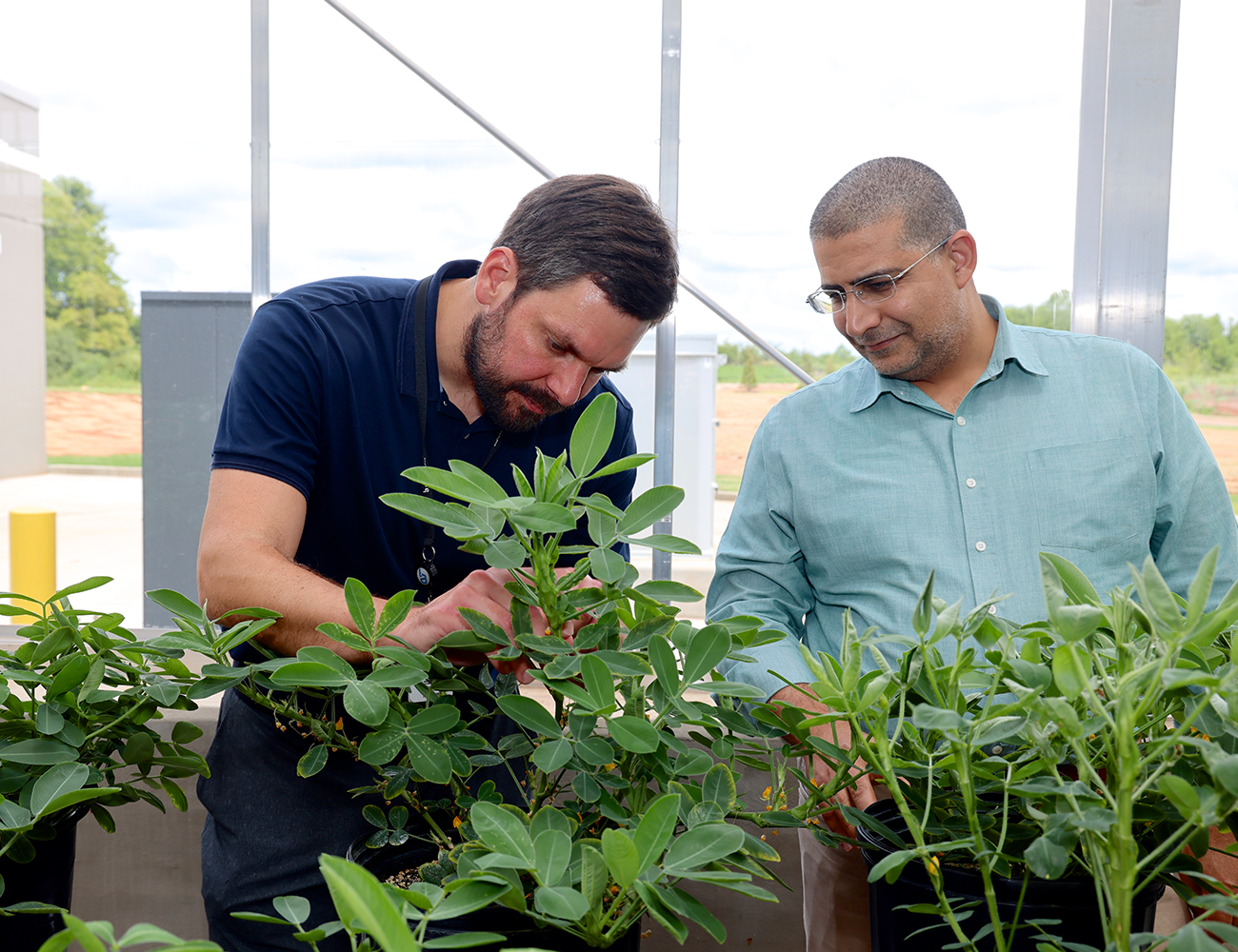






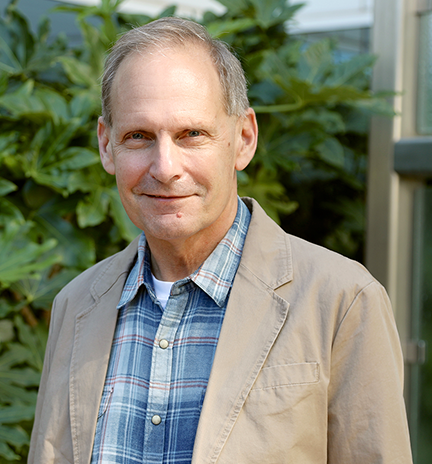
Greg Barsh, MD, PhD
Faculty Investigator
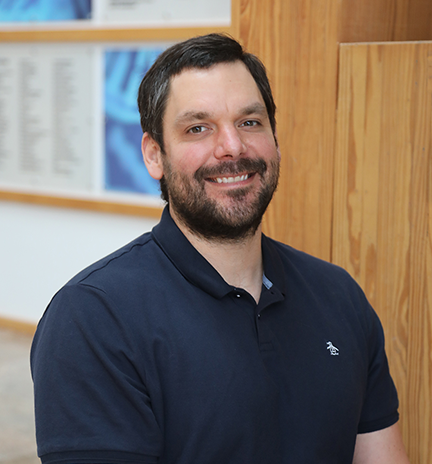
Josh Clevenger, PhD
Faculty Investigator

Nick Cochran, PhD
Faculty Investigator
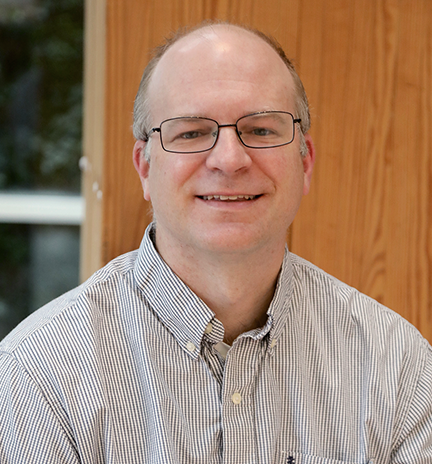
Greg Cooper, PhD
Faculty Investigator
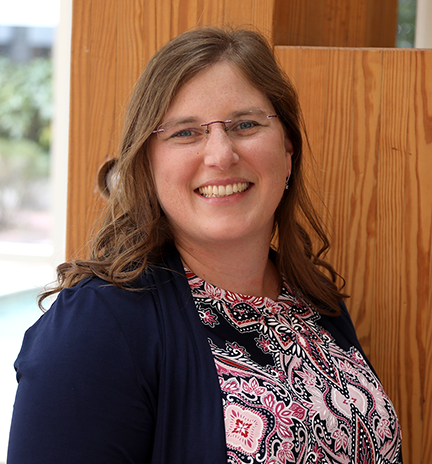
Sara Cooper, PhD
Faculty Investigator
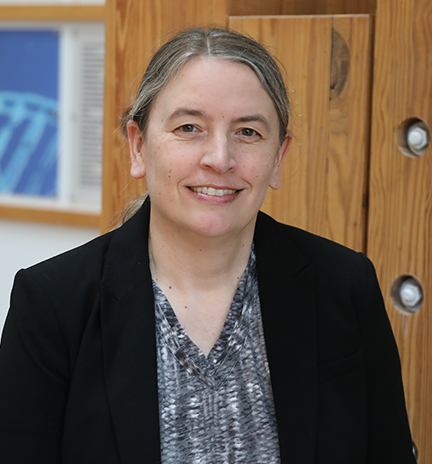
Jane Grimwood, PhD
Faculty Investigator

Alex Harkess, PhD
Faculty Investigator

Richard M. Myers, PhD
Faculty Investigator

Jeremy Schmutz
Faculty Investigator

Kankshita Swaminathan, PhD
Faculty Investigator